The Risks of Buying Spotify Playlist Placements
What a bought placement can cost your royalties, your release, and your data, how to spot one, and what to do if you already bought it.
5 min read
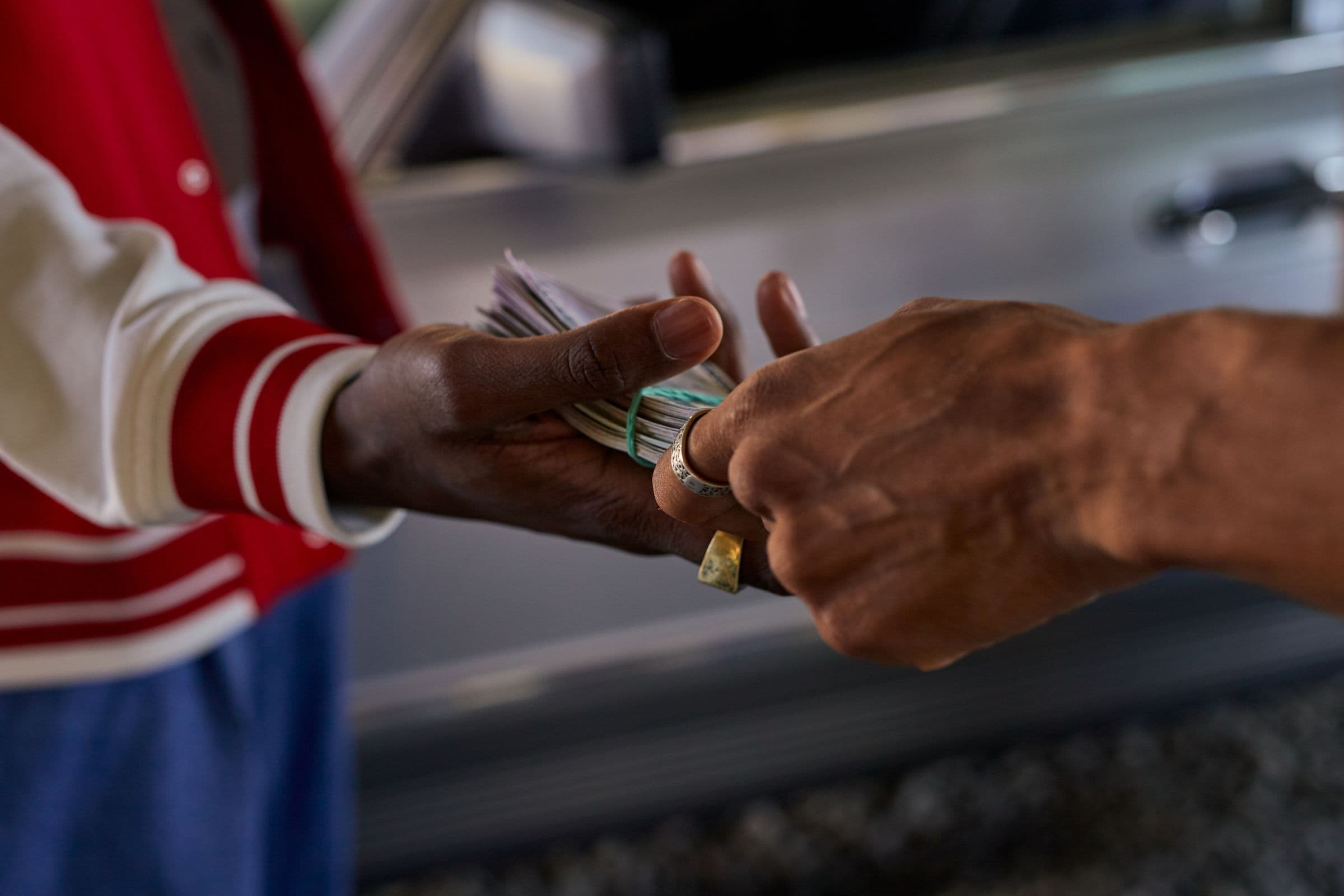
Buying a Spotify playlist placement puts your royalties, your stream counts, and in serious cases your release and your distributor account at risk. It also rarely gets you what you paid for, because a playlist that sells placements is filled with whoever paid, and its listeners either skip or aren't real. Here are the risks, how to recognize a placement for sale, and what to do if you've already bought one.
Risk 1: Spotify can pull the track and keep the royalties
Spotify's help page on artificial streaming says any service offering guaranteed playlist placement for money breaks its terms. When Spotify finds artificial streaming, the same page says it can withhold the royalties from those streams, correct your public stream counts, and remove the track from Spotify playlists. In serious cases it can remove the content altogether.
Spotify's User Guidelines also ban curators from taking money to influence what's on a playlist, so a bought placement puts the playlist at risk too. When it gets removed, your track goes with it.
Risk 2: your distributor can take your music down
Spotify sends labels and distributors monthly reports on artificial streaming, and they can warn you, remove your music from streaming services, or suspend your account. Spotify also charges them a fee per track when it finds flagrant artificial streaming. Your distributor pays for your bought streams, so they act quickly and rarely give second chances.
A takedown usually hits more than the one track. If your account is suspended, your whole catalog can go with it.
Risk 3: your data stops telling you anything
Spotify for Artists is how you learn what works: where listeners came from, which playlists sent them, and whether they saved the track or came back. Bought streams bury all of that. A spike from a paid playlist looks like success until you notice nobody saved anything, and by then you can't tell which of your real efforts worked.
Spotify's recommendations also learn from how people listen. Streams from listeners who skip and never return teach them nothing good about your track.
Risk 4: it buys nothing you wanted
What you actually want from a playlist is new listeners who like your genre, some of whom follow you and hear your next release. A playlist that sells placements is built around whoever pays, so its listeners aren't there for your sound, if they're there at all. You end up with a number and no fans.
How to recognize a placement for sale
Most offers give themselves away with one of these:
- a guaranteed placement on a named playlist, or a guaranteed position on it
- a price per playlist that rises with the follower count
- a promise of a set number of streams within a set time
- one seller who owns dozens of playlists across unrelated genres
- a playlist whose followers jumped overnight, or whose tracks have nothing in common
If you're unsure about a playlist, how to spot fake Spotify playlists walks through the checks.
If you've already bought a placement
- Stop, and don't renew or top it up.
- If the playlist looks fake, report it with the playlist reporting tool Spotify describes on its help pages.
- Tell your distributor what happened before they hear it from Spotify. Spotify's help page suggests sharing how you genuinely promoted your music with your distributor or label.
- Rebuild on real listeners. How to promote music on Spotify without fake streams or bots walks through the switch.
A better way to pay for promotion
The usual alternative is the old way: pitching platforms that charge you per curator, typically around $150 to reach about 15 curators, with nothing promised and the money kept whatever they decide. It isn't compliant either: Spotify's rules don't allow charging for placements, or even for considering a track for placement, so you still carry the risk, and you're still paying for silence and generic declines.
On Soundmango you start a campaign for your released track and pay one price. Your track only reaches curators whose vetted playlists fit, and when one passes, it goes to the next until a curator takes on your campaign. Approved tracks have an estimated 99% chance of landing on at least one playlist, and if no curator takes on your campaign, you get every cent back.
Frequently asked questions
Is buying a playlist placement illegal?
No, it isn't a crime. It does break Spotify's rules, and that's where the risk is: Spotify can pull the track from playlists and withhold its royalties, and distributors take music down when it gets flagged.
What if the playlist looks real?
It can be, and the rule still applies. Selling placements breaks Spotify's User Guidelines whoever the listeners are, and a playlist that sells placements keeps filling up with tracks its listeners never chose, so they drift away.
Can the playlist owner get in trouble too?
Yes. Spotify's User Guidelines ban curators from taking money to influence what's on their playlist, so the curator risks the playlist and the account.
How is a Soundmango campaign different?
You pay one price, and your track only reaches curators whose playlists fit it, until one takes on your campaign. Adding the track is always the curator's own call, which is what keeps it within Spotify's rules, and approved tracks have an estimated 99% chance of landing on at least one playlist.
Can I get my money back from a seller?
Rarely. Most sellers of placements deliver the placement and consider the job done, and a removed track or withheld royalties won't change that.
Promotion that keeps your release safe
Your track goes to curators who run real playlists in your genre, one of them takes on your campaign, and nothing about it puts your release at risk. If no curator takes it on, you get your money back. Promote your released track the safe way.