Artist Academy
Every Soundmango guide for independent artists, ordered as a course: what works, what wastes money, and how to make promotion compound across releases.
7 chapters · 51 modules


Every Soundmango guide for independent artists, ordered as a course: what works, what wastes money, and how to make promotion compound across releases.
7 chapters · 51 modules
Chapter 1
The foundations. What playlist promotion is, how the different kinds of Spotify playlist work, and what an independent artist can realistically reach.

The three kinds of Spotify playlist, what promotion costs, what to avoid, and the better way to get your track onto independent playlists.

The three kinds of Spotify playlist, how each one picks its music, and where your time is best spent.
What submitting to Spotify's editors and to independent curators really involves, what it costs you, and the better way to reach curators.

What to do before release, on release day, and in the weeks after, so your new track reaches listeners who keep it.

How small and independent artists get on Spotify playlists without a label: what curators check, how to get ready, and the better way to promote.

The three kinds of Spotify playlist, who decides what goes on each one, and how your release reaches all three.

What Spotify says its recommendations learn from, what nobody outside Spotify knows, and why your first listeners decide what it learns.
Chapter 2
For artists who have already run a campaign and got nothing back. Where pitches actually fail, and what to change first.

Check the track, the playlists it reached, and what you actually paid for, then fix what's really holding your promotion back.

The four points where a pitch gets stopped, why three of them are built into pitching itself, and a better way onto playlists.

Five reasons a curator says no, only one of them about how good your track is, and how to tell which one you got.

The four things a curator checks in your track, in the order they usually check them, and why good tracks still get a no.
Chapter 3
What else exists besides paying per pitch, why submission platforms behave the way they do, and how matching differs from pitching.

Every route besides paying per pitch, what each one costs you, which Spotify tools you qualify for, and a plan for your next release.

Pitching finds out at the end whether your track fit. Matching settles it first. How the two compare on your time, your money, and your risk.

Where artists look for curators, how many hours the hunt takes for every release, and a faster way to reach curators who fit your music.
Chapter 4
Bought placements, marketplace listings, Facebook groups, and paying curators directly. What each one risks, and where the line sits.
What a bought placement can cost your royalties, your release, and your data, how to spot one, and what to do if you already bought it.

What the gigs really sell, the tells of an unsafe one, and what it can cost your release.

Which groups get your track real listeners, which ones waste your time or break Spotify's rules, and how to tell them apart.

Eight checks that show whether real people listen to a playlist, what bots can do to your track, and how to read a placement afterward.

Yes, as long as the money buys promotion, never a listen or the placement. What Spotify's rules allow, and the offers to walk away from.

A six-week plan built on real listeners, the warning signs to check in Spotify for Artists, and how to switch over if you've been buying streams.

What makes promotion organic, how it differs from paid and artificial promotion, and how to check whether a service is the real thing.
Chapter 5
Targeting, timing, and track selection. The decisions made before a pitch goes out decide most of what happens after it.
What to listen for, what to check, and which signs mean a playlist is a waste of your time.
How subgenre, mood, tempo, and energy decide whether a curator hears your track in the right context, and how to name your own sound.

Four checks you can run in half an hour, before you spend anything getting your track heard.

Usually fewer than twenty, and every extra one costs you. Why the list is short, what submitting really costs, and a better way.

Yes, when every playlist is real and fits. How a track spreads across playlists, and how to tell which audience worked.

When a small playlist beats a big one, the four checks that tell you, and why several small playlists often do more for a release.
How much position changes the listening you get, why playlist length and shuffle matter, and what matters more than rank.

How long tracks usually stay on playlists, why curators rotate them, and why guaranteed days on a playlist are a red flag.

On release day, with the Spotify for Artists pitch a week or more before. The six-week timeline, and what to do if you are late.

Promote one track at a time, even from an album. How to pick the one that opens the door, and when to move on to the next.

The four qualities that make a playlist a good home for your track, and why follower count comes last.

Where curators look for new tracks, why most of their time goes on sorting submissions, and how your track reaches the ones who want your sound.
Chapter 6
What you are actually buying, how to compare services, and how to work out whether any of it returned anything.

What pitching platforms typically charge, what you get back for it, and how to judge any price by what it actually delivers.

The order to spend in, the six places promotion money leaks, and how to split a budget across each release.

Seven questions that sort any promotion service in minutes, starting with what you pay for and what happens if nothing comes of it.

The numbers in Spotify for Artists that show whether a placement reached people who cared, and how to read them.
Yes, when it reaches real listeners in your genre and you get something back for the money. How to tell, and why paying per pitch usually isn't.
Chapter 7
Turning single campaigns into a system: what carries between releases, how to read your own history, and when to stop.

Eight habits artists pick up after twenty releases, from choosing which tracks get money to judging results, and how to adopt them now.

What works at each stage of an artist's career, what to spend on, and the signs you've outgrown what you're doing.

Which numbers to pull from Spotify for Artists, the five questions to ask them, and how to turn the answers into one change for your next release.
Three checks, what your past releases tell you, and two free tests to run before you put money behind a track.

A default schedule, the signs it is time to stop or keep going, and what stopping actually means for the track.

The four things each release should hand to the next, how often to release so the chain holds, and how to see it working in Spotify for Artists.

Five signs your promotion is random, what each one costs you, and how to turn it into one plan you run for every release.

What to watch in the days and weeks after a playlist adds your track, what a good result looks like, and what to do when the numbers stay flat.
What a follower count tells you, what it hides, and how to read a playlist's growth story before your track goes near it.
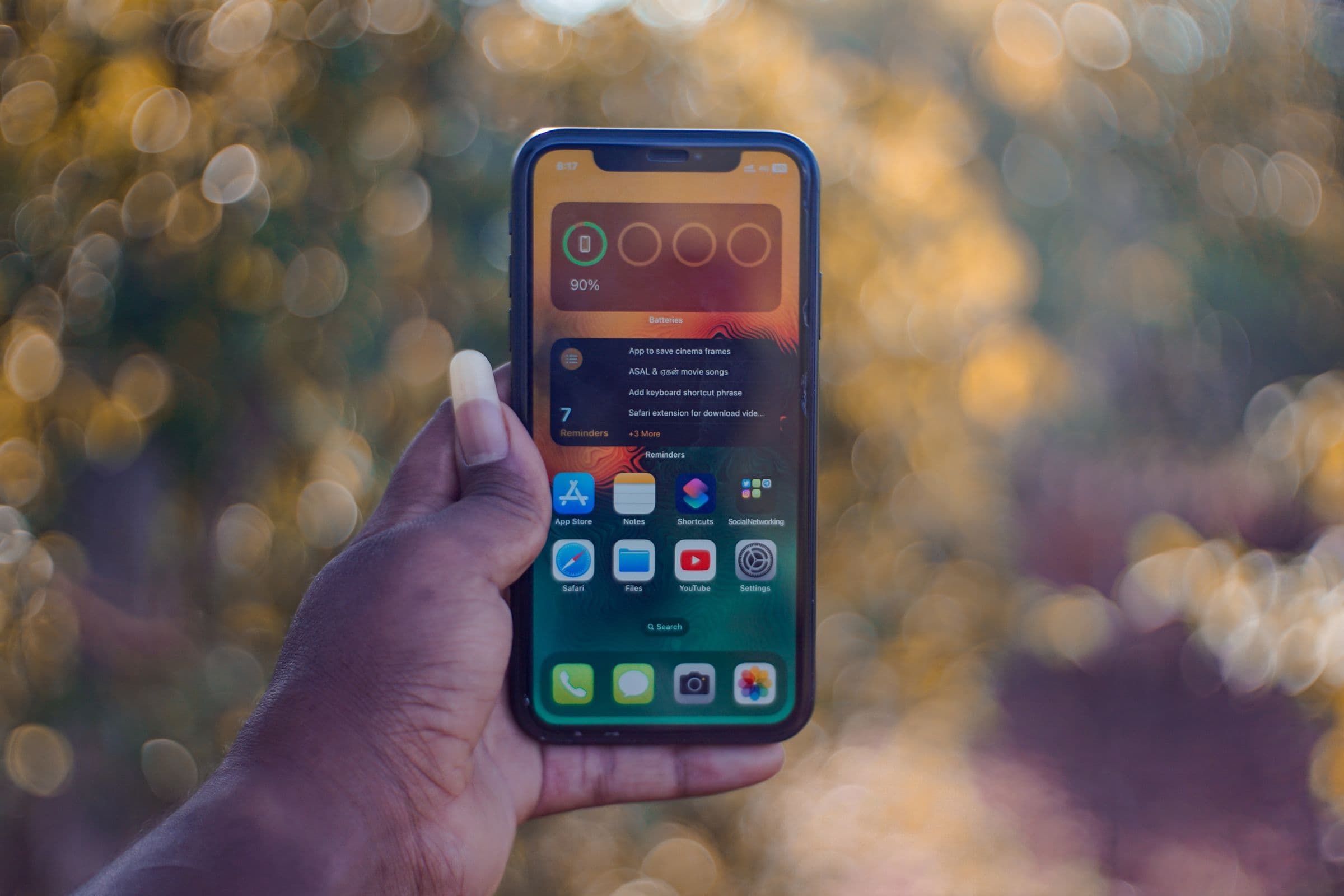
What a save is, why it tells you more than a stream, how to read your save rate, and how to get more of them.
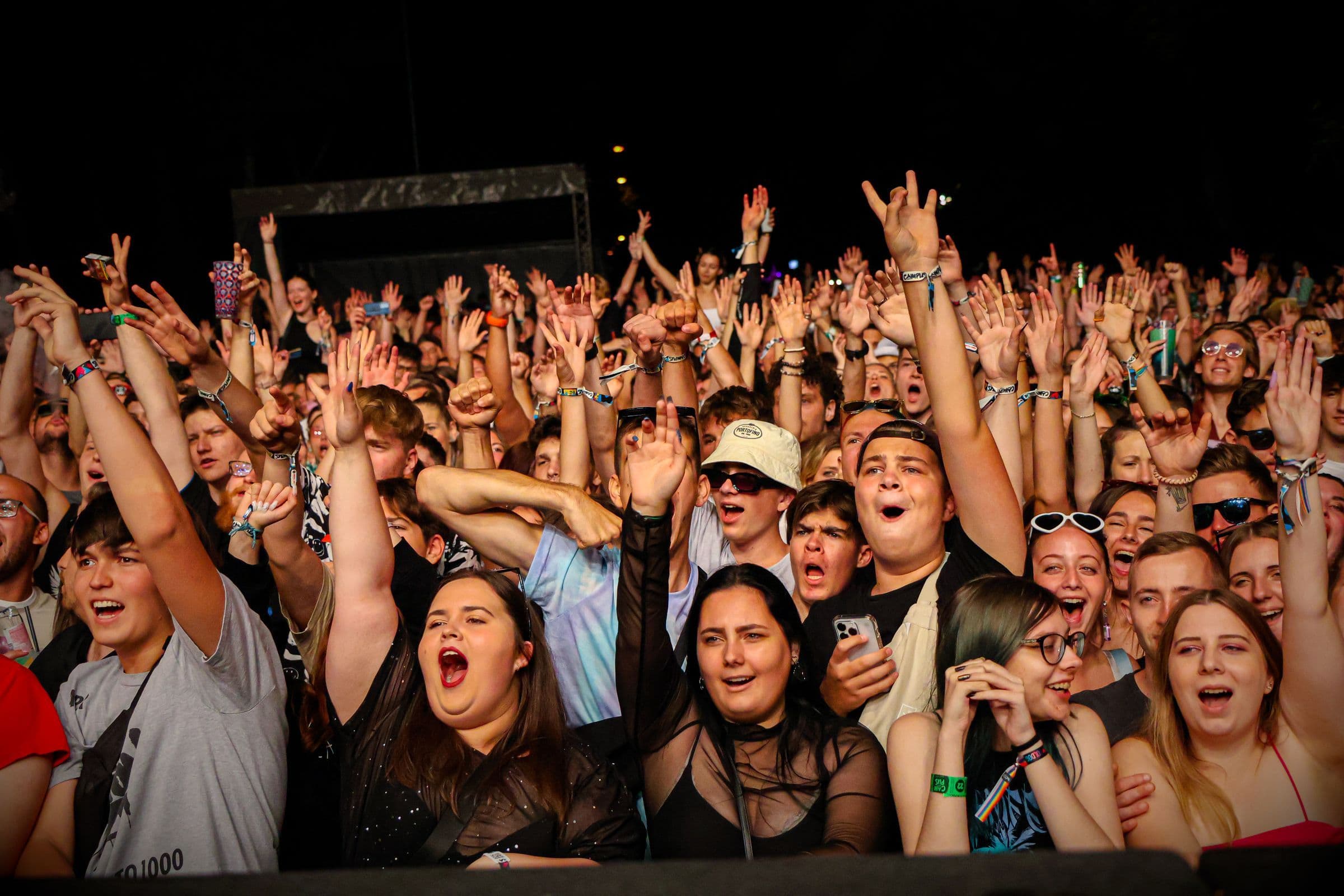
How a playlist listener turns into a fan, what a good placement brings, and how to tell in Spotify for Artists whether it's working.

The steps that get a release in front of listeners who stay: the release setup, the right playlists, Spotify's recommendations, and more.

One plan you write once and run for every release: a goal, a job for each channel, a six week schedule, and a record that improves the next one.
Soundmango is a playlist promotion marketplace with a 99% chance of landing on a playlist. If no curator fits your track, you get 100% of your money back.