Can Spotify Playlists Help You Grow Your Fanbase?
How a playlist listener turns into a fan, what a good placement brings, and how to tell in Spotify for Artists whether it's working.
5 min read
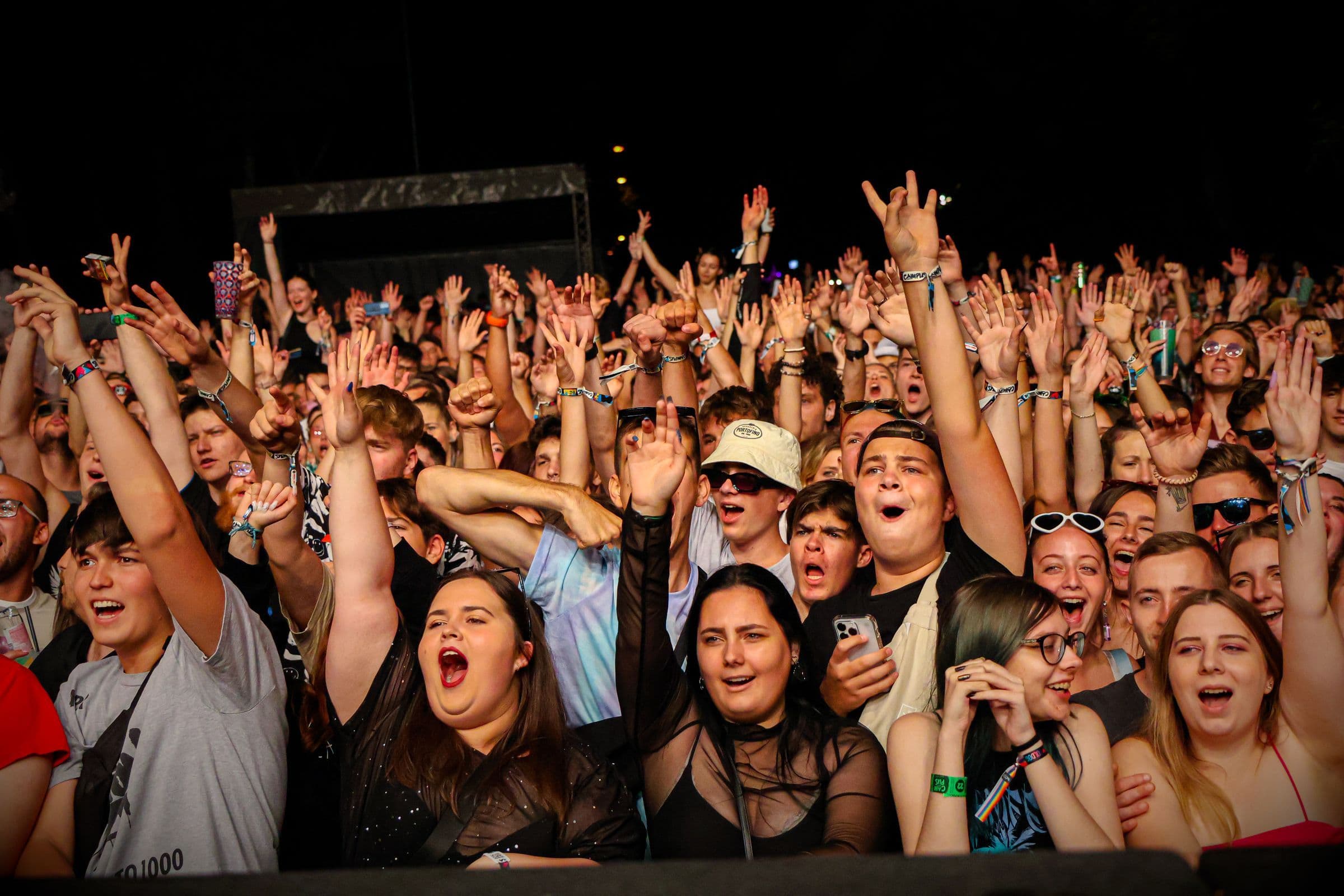
Yes, Spotify playlists can grow your fanbase, when the playlist's listeners already like your sound and you give them a reason to follow you. Most people who hear one track on a playlist won't become fans. The ones who save it, follow you, and come back for your next release are how a fanbase starts, and a good placement brings some of them every time.
How a playlist listener becomes a fan
It happens in small steps:
- They hear your track on a playlist they already like.
- They save it, because they want to hear it again.
- They look you up and play another track or two.
- They follow you. Your next release now shows up in their Release Radar.
- They come back when that release lands, and play it from their own library.
Each step loses people. That's normal, and it's why a placement's value is measured in saves and follows. Why Spotify playlist saves matter covers the first step in detail.
A worked example
Say a playlist in your genre sends 400 listeners in its first two weeks. 50 of them save the track, 15 follow you, and 5 go on to play your other releases.
That looks small next to 400. But those 15 followers get your next track in their Release Radar without you doing anything. Do that across a few releases and a few placements, and you have a few hundred people who hear every new track, which is where a fanbase starts.
The right listeners matter more than the most listeners
A big playlist with the wrong audience brings streams and skips. A smaller playlist whose listeners love your genre brings the saves and follows that turn into fans. When you choose playlists, choose by who's listening. How to choose the right Spotify playlists shows what to check.
Finding those playlists the old way takes hours every release, and pitching platforms charge per curator with nothing promised: around $150 typically buys submissions to about 15 curators. That model isn't compliant with Spotify's rules either: they don't allow charging for placements, or even for considering a track for one, and it's the artist who carries the risk. On Soundmango you start a campaign by choosing the genres and minimum follower count you want, pay one price, and your track only goes to curators whose playlists fit, until one takes on your campaign. Approved tracks have an estimated 99% chance of landing on at least one playlist.
Give new listeners somewhere to go
When a listener looks you up, your profile has to make them want to stay:
- A current photo and a short bio that says what you sound like.
- Your new release as your Artist Pick, so it's the first thing they see.
- A few strong tracks in your catalog, so a curious listener has more to play.
Keep releasing
Followers only help if there's something new for them to hear. According to Spotify's guide to getting music on Release Radar, a release stays eligible for up to 28 days, and only one of your tracks can be in Release Radar at a time. A new single every couple of months keeps showing up for the people who followed you. How to build momentum from one release to the next covers the rhythm.
Fake streams can't build a fanbase
Bots don't follow you, save your tracks, or come back for your next release. Bought streams add a number and nothing behind it, and according to Spotify's page on artificial streaming, it can withhold royalties and remove tracks from playlists when it finds them.
How to tell whether your fanbase is growing
In Spotify for Artists, watch these over a few releases:
- Followers, going up after each placement.
- Your audience segments, under Audience. Spotify sorts your listeners into groups by how often they play you, so you can see whether your most engaged group is growing.
- Streams from listeners' own libraries, which mean people are coming back on purpose.
- Plays on your older tracks, which mean new listeners went looking for more.
When a placement doesn't bring fans
Streams with almost no saves or follows usually mean the playlist's listeners wanted a different sound, the playlist has few real listeners, or your track sat too far down a long list. The fix is a better-fitting playlist next time.
Frequently asked questions
Can playlist streams turn into Spotify followers?
Yes, when listeners like the track enough to look you up. Expect only a small share of listeners to follow, and count on them adding up across releases.
Are bigger playlists better for growing a fanbase?
No, not by themselves. A smaller playlist whose listeners love your genre usually brings more saves and follows than a big mixed one.
How long before playlist exposure shows up as fans?
Usually a few releases. Followers you gain on one release hear the next in Release Radar, so it builds over months.
Does playlist position affect fan growth?
A little, since listeners reach tracks near the top more often. Fit matters far more. Does your position on a Spotify playlist matter explains how much.
How many placements does it take to build a fanbase?
There's no set number. A few well-fitting placements per release, over several releases, is how most independent artists build one.
Reach the listeners who'll stick around
Fans come from listeners who already love your kind of music. On Soundmango you pay once, your track goes to curators who run real playlists in your genre until one takes on your campaign. Approved tracks have an estimated 99% chance of landing on at least one playlist, and if no curator takes on your campaign, you get every cent back. Start growing your audience.