How Experienced Independent Artists Approach Spotify Promotion
Eight habits artists pick up after twenty releases, from choosing which tracks get money to judging results, and how to adopt them now.
5 min read
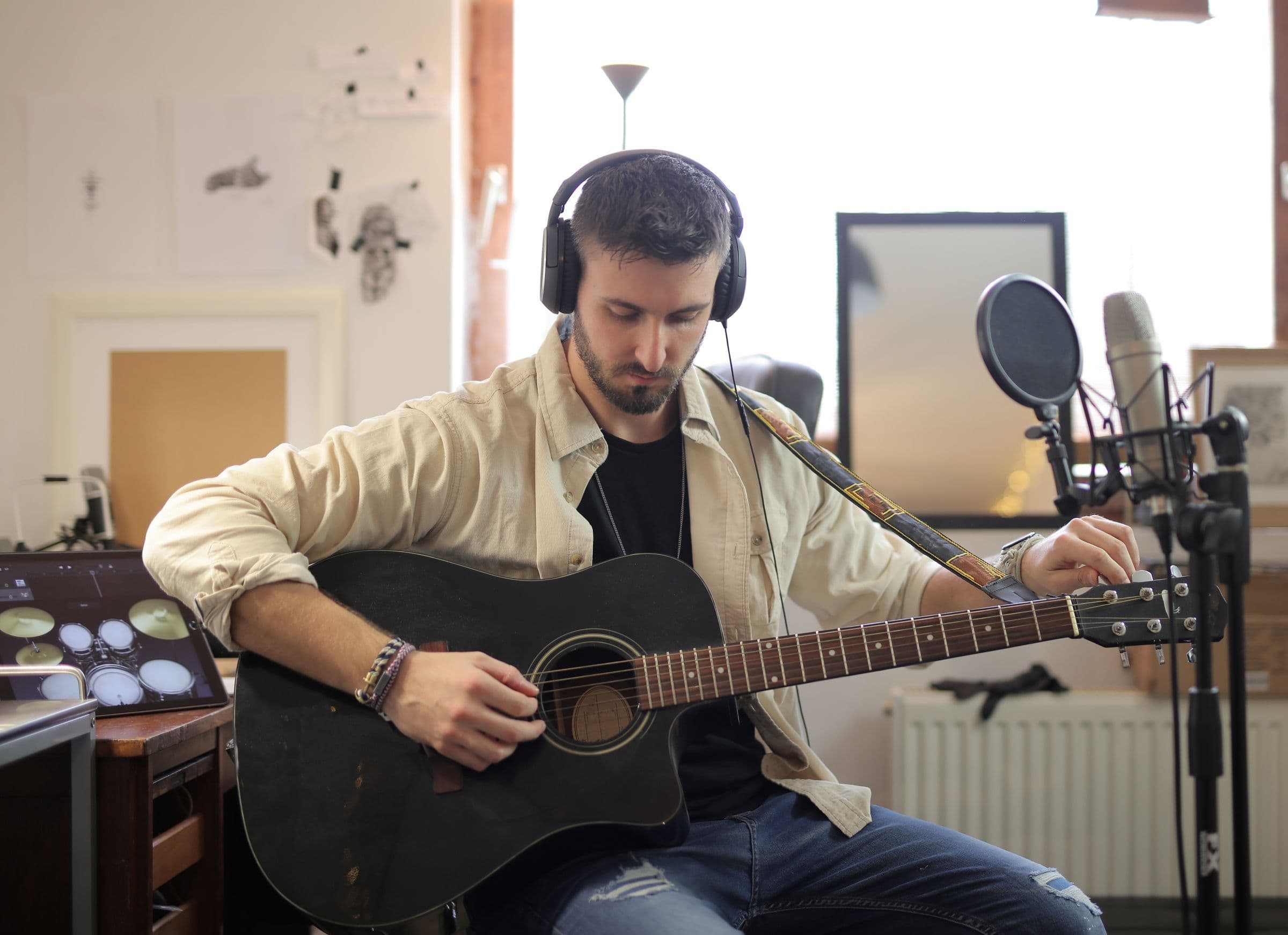
Artists who have released ten or twenty times promote differently from artists on their second single. They're pickier about which tracks get money, they plan every release the same way, they judge results by what listeners did, and they've stopped paying for attempts. You can work this way from your next release without waiting ten years to learn it. Here's what changes.
They decide which tracks deserve promotion
Early on, every release feels like the one, so every release gets money. An experienced artist looks at a finished track and asks whether it earns it.
The check is quick. Does it hold up next to a released track by an artist one step ahead of you in the same genre, played at the same volume? Can you name its genre in three words? Do the first few seconds give a listener a reason to stay? A track that fails still comes out, and the money waits for the next one. How to decide which tracks are worth promoting goes through it in detail.
They run the same plan every release
The plan is written before release week, and it barely changes: the Spotify for Artists pitch before release, the campaign and the posting in release week, short video for a month after, and a review six weeks later. Release week stops being a scramble, and the releases become comparable. How to build a Spotify promotion strategy as an independent artist lays out the full schedule.
They judge results by what listeners did
Early on, artists watch the stream count. Later they watch saves, followers gained, listeners who come back, and where the listening came from, because those numbers describe people. A release with fewer streams and more saves did better than the one with the bigger number, and only the second set of numbers tells you that. How to measure Spotify playlist promotion results covers each one.
They keep a record of every release
One row per release: what they spent, where the listeners came from, saves, followers gained, and the one thing they changed. After three or four rows they know what works for their music, which is knowledge no service can sell them. How to learn from your previous Spotify releases shows how to read yours.
They stopped paying for attempts
Most experienced artists have already bought a pitch package that produced nothing. On a typical pitching platform, around $150 buys submissions to about 15 curators, nothing is promised, and the curators keep the money whatever they decide. It's also a model Spotify's rules don't allow, since it charges for having a track considered for a playlist, and it's the artist who carries the risk. After a couple of those, the hours spent choosing curators and the money spent on silence look like what they are.
So the paid part of the plan becomes one campaign that delivers something. On Soundmango you start a campaign, set the genres and minimum follower count you want, and pay one price. Your track only reaches curators whose playlists fit, and it keeps going to the next fitting curator until one takes on your campaign. Approved tracks have an estimated 99% chance of landing on at least one playlist, and if no curator takes it on, you get every cent back. The hours they used to spend on pitching go back into the music.
They build a direct line to their fans
A playlist brings strangers. An experienced artist wants some of those strangers to hear the next release without any middleman, so they give people a reason to follow on Spotify and a way to join an email list. Followers get new releases in Release Radar, and an email list reaches people on any platform, whatever the algorithms are doing that month.
They stay narrow about genre
Early on, artists describe themselves broadly to seem versatile. Experienced artists pick three words and use them everywhere, from their profile to their campaign criteria, because curators and listeners both decide in seconds whether a track is for them.
They give it time
Early on, artists judge a release after five days. Experienced artists judge a way of working after four releases, because that's how long it takes for followers, fans, and data to build up. At the common rhythm of one release every six to eight weeks, that's about half a year.
Frequently asked questions
How long does it take to learn this way of working?
Most artists learn it the hard way, over several years and at least one expensive campaign that produced nothing. You can skip that by starting with the plan, the record, and one campaign that delivers something on your next release.
Do experienced artists still use playlist promotion?
Yes, as one part of the plan. It sits alongside video, live shows, and the fans they can already reach directly.
What do experienced artists spend the most on?
The recording, for most of them. It sets the ceiling on everything else and keeps paying off across every release.
How many releases before this starts working?
About four, at a steady pace, with a record kept. The first sets your baseline, and every release after it is a comparison.
Work like an artist in year five
Almost all of it is free: a plan, a record, a narrow genre, and patience. For the paid part, pay once and your track goes to curators who run real playlists in your genre until one of them takes on your campaign, with an estimated 99% chance of landing on a playlist, and your money back if no curator takes it on. Promote your next release on Soundmango.