Is Spotify Playlist Promotion Worth It?
Yes, when it reaches real listeners in your genre and you get something back for the money. How to tell, and why paying per pitch usually isn't.
6 min read
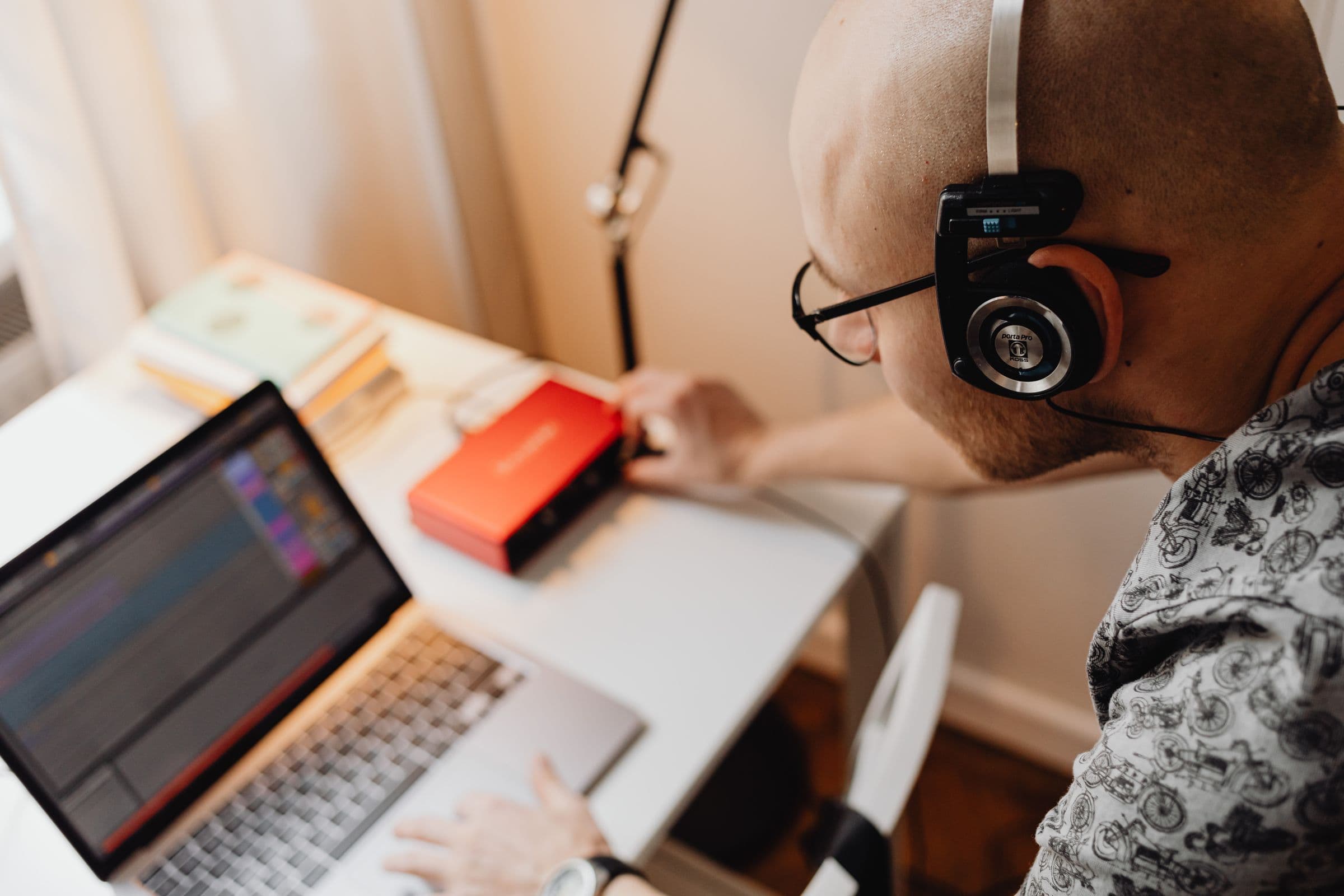
Spotify playlist promotion is worth it when it puts your track in front of real listeners who like your kind of music, and when you get something real back for the money. Paying to pitch curators usually fails that test. Around $150 typically buys submissions to about 15 curators, nothing is promised, and the curators keep the money whatever they decide. Here's how to tell the difference, and what a good result looks like.
What makes playlist promotion worth the money
What you want from promotion is discovery: your track reaching people who would never have found it on their own, in a place where it makes sense to them. A playlist does that well, because its listeners already chose a sound like yours.
That's also why the playlist matters more than the size. Take two playlists with real audiences. One is huge and only loosely connected to your sound. The other is smaller and full of people who play music like yours every week. The second is usually worth more, because its listeners are the ones who save a track and come back for the next release.
Real listeners beat big numbers
A campaign can look great on a dashboard and build nothing. Follower counts and stream counts are easy to inflate, and neither one tells you whether a real person chose to listen.
Streams from bots or badly matched listeners don't turn into fans. They also put your release at risk: according to Spotify's own guidance on artificial streaming, it can withhold royalties, correct stream counts, and pull tracks from playlists when it finds fake streams. How to spot fake Spotify playlists shows how to check a playlist first.
When it isn't worth it
Skip any promotion that:
- Guarantees a placement or a stream count. Spotify says services offering guaranteed placement for money break its terms.
- Can't tell you where the listeners come from. If you can't check it, you can't judge it.
- Charges you per pitch, with nothing promised. This is the old way. You pay for curators to hear your track, most of them decline with a generic reply, and the money is gone either way. Plenty of artists spend a few hundred dollars across a couple of releases and end up with no playlists at all. It also breaks Spotify's rules, which don't allow charging for placements or even for considering a track for placement, and you carry the risk.
The hidden cost is your time
Money is only part of the price. Doing it the old way means finding playlists, checking they're real, working out who runs them, writing pitches, waiting, and following up. Most of that happens before anyone hears your track, and it adds up to evenings every release.
Every one of those evenings is time you could have spent writing, recording, or playing.
How playlist promotion compares to other channels
Playlist promotion is one option among several:
- Ads reach people who never asked to hear you. They're quick to set up, but interest in a demographic isn't interest in your sound.
- Short video builds an audience slowly and keeps working after you stop spending. It takes longer to show results and asks you to keep showing up.
- Press gets you a mention in front of an audience that trusts the publication. It's expensive for what it moves on its own.
- Spotify's own algorithmic playlists, such as Release Radar and Discover Weekly, cost nothing directly. They respond to how listeners already treat your music, so they reward a track that's finding an audience more than one starting from zero.
Playlists sit in the middle: faster than organic growth, cheaper than press, and more targeted than most ads, because the listeners already chose a playlist built around a sound like yours.
What a good result looks like in Spotify for Artists
Look at your numbers a week or two after the campaign, once they've settled:
- Listeners as well as streams. More individual listeners is usually healthier than a lot of streams from a few people.
- Where the listens came from. Under Music, then Playlists, Spotify for Artists lists the playlists your track is on and how many listeners each one sent.
- Saves and follows. A listener who saves your track or follows you did more than press play once.
- Your other tracks. A listener who liked what they heard often goes looking through your catalog, and that shows up as a small lift elsewhere on your profile.
How to measure Spotify playlist promotion results goes through each of these.
Promotion that's worth it on Soundmango
On Soundmango you pay one price, once. You start a campaign, choose the genres and minimum follower count you want, and see the price before you pay. Your track only goes to curators whose playlists fit, and when one passes, it goes to the next until one takes on your campaign.
Approved tracks have an estimated 99% chance of landing on at least one playlist. If no curator takes on your campaign, you get every cent back, so you're never left paying for silence.
Frequently asked questions about Spotify playlist promotion
Is paying for Spotify playlist promotion worth it?
Yes, when it reaches real listeners in your genre and you get something back for the money. Paying per pitch usually isn't, because nothing is promised and the curators keep the money whatever they decide.
Does playlist promotion guarantee streams?
No, and a guarantee is the signal to walk away. Real listeners decide what they play, and guaranteed streams are usually fake ones.
Is a bigger Spotify playlist always better?
No. A smaller playlist whose listeners play music like yours usually does more for you than a big general one. Are small Spotify playlists worth it covers this in detail.
Should I promote every release?
No. Promote the tracks you believe in most, and let the rest come out to your followers through Release Radar. How to decide which tracks are worth promoting helps you pick.
What if a campaign doesn't seem to have worked?
Check the numbers before you write it off. A placement with modest saves still tells you something about who likes your music, and that shapes your next release.
How much should I expect to spend?
On pitching platforms, around $150 typically buys about 15 curators, with nothing promised. On Soundmango you see one price for the whole campaign before you pay. How much Spotify playlist promotion should cost breaks it down.
Make it worth it
Pay once, and your track reaches curators who run real playlists in your genre until one of them takes on your campaign. Approved tracks have an estimated 99% chance of landing on a playlist, and your money comes back if no curator takes it on. Start a campaign for your next release.